
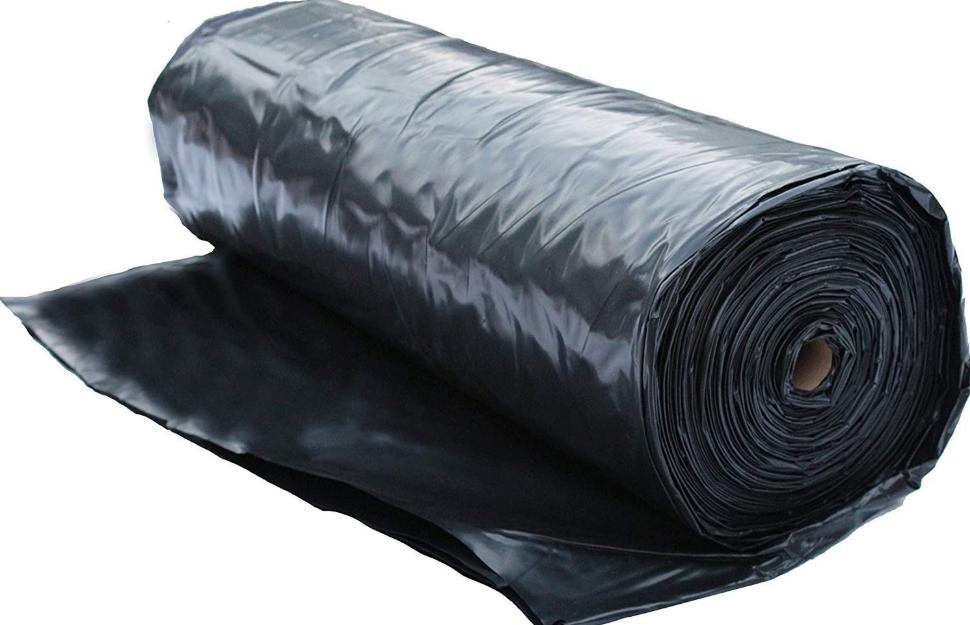
In discussions around plastic pollution and sustainability, poly sheeting often finds itself cast as a clear environmental villain. This perception stems from its visibility in construction, agriculture, and packaging sectors, where it’s used for everything from vapour barriers to temporary weatherproofing.
But the debate is clouded by myths that oversimplify its environmental footprint. To make informed decisions, we must unpack the facts and assess poly sheeting’s impact in a broader operational and lifecycle context.
Myth 1: All Poly Sheeting Is Single-Use Waste
A common misconception is that poly sheeting is always discarded after a single use. While it’s true that some applications involve short-term deployment, many industries reuse poly sheeting multiple times, particularly in controlled environments like factories or cleanrooms. Heavy-duty grades are designed for durability and are increasingly collected, cleaned, and repurposed. Labelling it as inherently single-use ignores this operational nuance.
Myth 2: It Cannot Be Recycled
Technically, most poly sheeting is made from polyethylene, a recyclable material. The challenge lies in post-use collection and contamination. If sheets are soiled with paint, adhesives, or debris, recyclability diminishes. However, clean off-cuts and post-industrial waste are often reclaimed by specialist recyclers. Manufacturers are also starting to offer take-back schemes or closed-loop systems to recover and remanufacture used sheeting.
Myth 3: Alternatives Are Always Greener
Biodegradable or paper-based substitutes are frequently marketed as more sustainable. But these alternatives often carry hidden trade-offs. For instance, paper barriers may be less moisture-resistant, requiring multiple layers and increasing material use. In some cases, the energy and water required to produce biodegradable plastics can rival or exceed that of traditional poly sheeting.
Myth 4: Poly Sheeting Contributes Significantly to Marine Waste
Most marine plastic pollution comes from fishing gear, microplastics, and unmanaged consumer waste. Industrial films like poly sheeting rarely reach waterways if managed correctly. Proper containment, disposal, and recycling can significantly mitigate its environmental impact.
Balancing Functionality with Impact
Product efficiency matters. Poly sheeting is lightweight, strong, and low-cost to transport, attributes that lower its overall carbon footprint in many applications. In comparison, bulkier alternatives may require more fuel or packaging, indirectly increasing emissions.
Interestingly, even niche products such as a lift bag, used in marine salvage or underwater construction, may incorporate reinforced poly sheeting layers for strength without compromising sustainability if sourced and disposed of responsibly.
The environmental footprint of poly sheeting depends less on the material itself and more on how it’s used and managed. When approached thoughtfully, with proper reuse and recycling strategies, poly sheeting can form part of a responsible materials strategy, dispelling myths and aligning utility with environmental stewardship.