
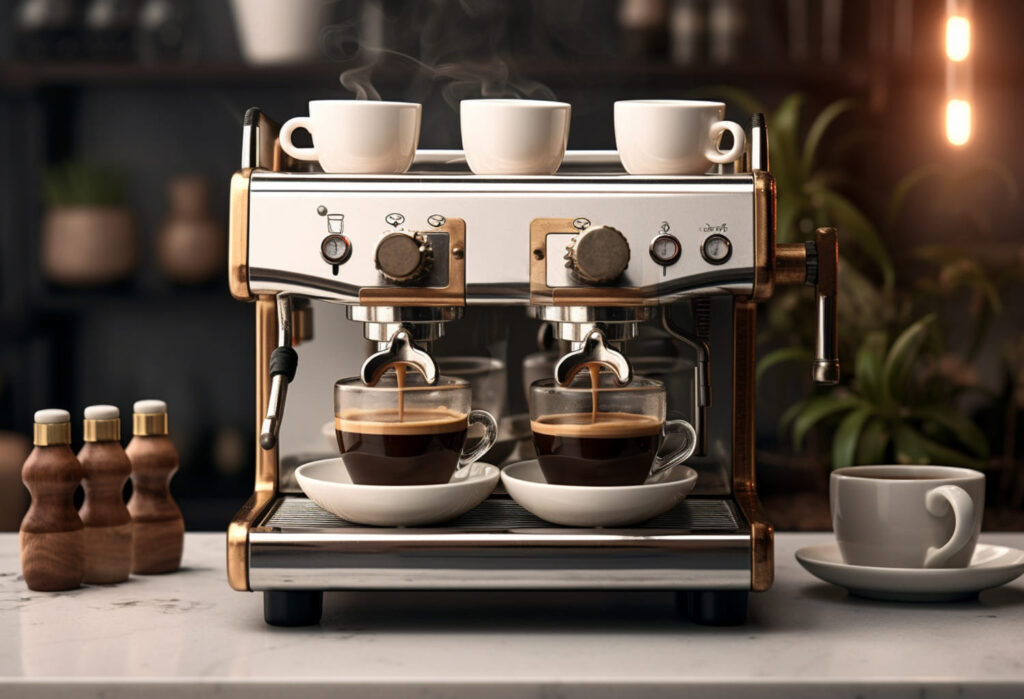
New commercial coffee machines cost an absolute fortune. We’re talking thousands—sometimes tens of thousands—for a decent bit of kit. So when someone mentions refurbished machines at half the price, ears perk up. Sounds brilliant, doesn’t it? Well, sometimes it is. Sometimes it’s a disaster waiting to happen.
What Refurbished Actually Means
Here’s the problem: “refurbished” covers everything from “professionally rebuilt by experts” to “we gave it a wipe and hoped for the best.” Some machines get completely stripped down, dodgy parts replaced, electronics tested, the works. Others just get a clean and a new sticker. Big difference. Massive difference, actually.
Where It Came From Matters
Was this machine pulled out of a failed café that went under after six months? Or did it spend five years getting absolutely hammered in a busy hotel? Age tells part of the story, but usage tells more. A three-year-old machine from a low-traffic office beats a one-year-old one from a motorway service station. Always.
The Warranty Situation
New machines come with proper warranties. Year or two, sometimes three. Refurbished? Could be three months. Could be thirty days. Could be “sold as seen, best of luck.” That warranty isn’t just paperwork—it’s what happens when the thing packs in at the worst possible moment. No warranty means paying for repairs out of pocket, and commercial coffee machine repairs aren’t cheap.
Parts Availability Is Critical
Older models might be cheaper, but finding replacement parts becomes a nightmare. The grinder breaks, the heating element goes, suddenly nobody stocks the part anymore. Then it’s either bodge jobs or the machine becomes an expensive doorstop. Stick with models that aren’t ancient—parts should still be floating around.
Who’s Doing the Refurbishing
Random bloke on eBay versus a certified technician from an established company? Not the same thing. Proper refurbishers know these machines inside out. They’ve got the tools, the parts, the expertise. They test everything properly. Cowboys just make things look presentable and hope nobody notices what’s actually wrong until after the money’s changed hands.
Hidden Costs Creep In
That bargain price might not include delivery. Or installation. Or the descaling it desperately needs. Or the water filter that’s knackered. Suddenly the “amazing deal” costs nearly as much as buying new, except now there’s a used machine instead of a fresh one with a full warranty.
Be Realistic About Lifespan
A refurbished machine isn’t going to last as long as a new one. Just isn’t. Even with perfect refurbishment, it’s already lived part of its life. Budget for replacement sooner. Expecting ten years from a refurb that’s already five years old? Optimistic at best.
Try Before Committing
If possible, see the thing working. Not just switched on—actually making coffee. Listen for weird noises. Check the pressure. Make sure it’s not leaking anywhere. Photos can hide a lot. A test run can’t.
When It Makes Sense
Tight budget? Starting out? Low daily usage? Refurbished might be perfect. Busy commercial environment where downtime costs serious money? Probably worth buying new. It’s not about refurbished being bad—it’s about matching the machine to the situation.
Buying refurbished coffee machines can be brilliant value or an expensive mistake. The difference is doing homework first instead of just chasing the cheapest price and hoping for the best.