
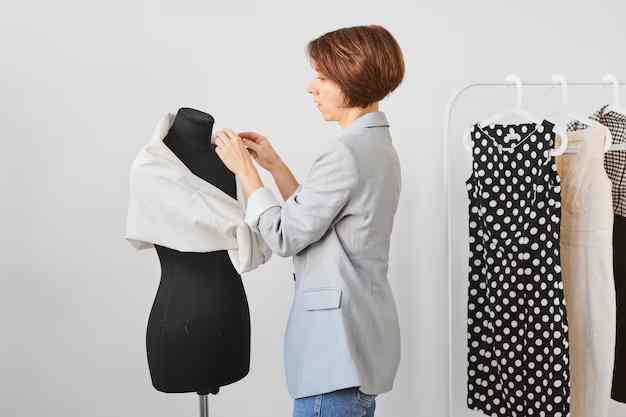
Fashion retail has always been visual. Long before a shopper decides whether they like a price point or fabric, they react to the way the store looks and feels. The window, the lighting, the styling, and the overall presentation all influence whether someone slows down or keeps walking. Fashion mannequins play a major role in that first impression because they help turn clothing into a story people can immediately understand.
Garments hanging on rails serve a practical purpose, but they rarely show the full potential of a look. A mannequin does. It gives shape to the clothing, shows how pieces work together, and makes the styling feel more real. A dress looks different when it is properly draped. A blazer makes more sense when it is paired with the right trousers and accessories. The shopper is no longer looking at separate products. They are looking at an outfit.
That is especially important in shop windows. Window displays are often the first genuine interaction a customer has with a brand. A well-styled mannequin display can communicate elegance, minimalism, trend focus, or premium quality within seconds. It sets expectations before the shopper even steps through the door.
Inside the store, fashion mannequins continue shaping the customer experience. They can draw attention to hero products, guide shoppers towards key zones, and support seasonal storytelling throughout the floor. They are also useful for encouraging outfit building, because they show how pieces can be worn together rather than leaving the customer to imagine the result.
There is a practical side to them as well. In a busy retail environment, displays need to change often. Outfits are updated, promotions rotate, and collections move on. That is why mannequin quality matters. Materials such as fibreglass remain popular because they are durable enough for frequent use while still being light enough to reposition when needed.
Form matters too. If the proportions are poor, garments can sit awkwardly and lose much of their impact. A well-made mannequin supports the shape the designer intended, which helps the clothing present properly on the floor.
At their best, fashion mannequins do more than fill space. They make stores feel more considered, help shoppers visualise the clothing in use, and strengthen the overall identity of the retail environment. In a space where presentation influences attention and attention influences sales, that makes them an essential part of effective visual merchandising.