
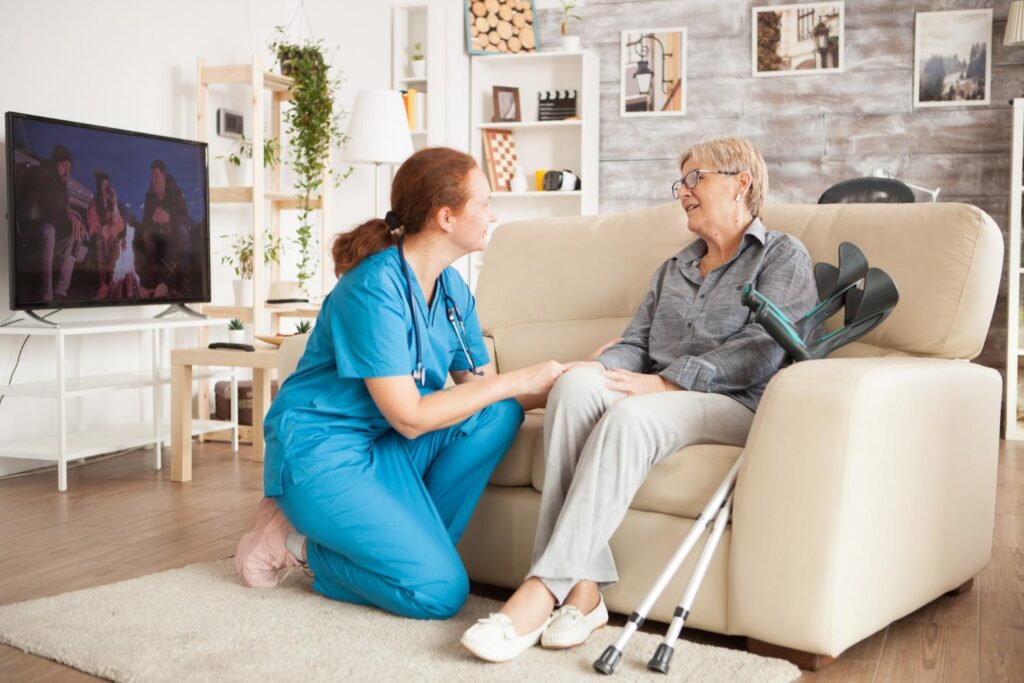
As people age or manage specific health conditions, maintaining independence at home becomes critical. That’s where home care support steps in, offering a tailored solution that ranges from assistance with daily tasks to medical care. This comprehensive service is crucial in ensuring safety, comfort, and dignity for individuals, especially seniors. In this blog, explore the essential services offered by home care and how these solutions impact overall well-being.
The Role of Home Care Support in Everyday Life
Home care support can include a diverse range of services, designed to assist individuals in maintaining their regular routines. These services often focus on daily tasks like meal preparation, housekeeping, and medication reminders. According to research by the National Association for Home Care & Hospice, approximately 12 million people in the U.S. rely on home care services annually, reflecting its undeniable importance. For seniors requiring aged care support, home care does more than just meet basic needs—it safeguards their independence and enhances their quality of life.
Among the most common offerings are help with grooming, transportation for appointments or errands, and companionship. Such services can significantly ease the burden on family caregivers while empowering individuals to manage their day-to-day lives from the comfort of their own homes.
Medical Assistance Tailored to Your Needs
Home care support extends beyond daily chores; it also encompasses vital medical help for those with chronic illnesses, disabilities, or recovering from surgery. Skilled nurses in home care settings can administer medications, manage wounds, and monitor health conditions. For older adults relying on aged care support, this hands-on medical assistance ensures their health needs are met safely without requiring frequent hospital visits.
Data shows that patients receiving home-based medical care experience improved recovery rates and fewer hospital readmissions due to personalized attention and care continuity. Moreover, technology-driven innovations, such as telehealth monitoring, have redefined what medical support looks like, enabling professionals to track conditions remotely while maintaining seamless communication with patients.
The Emotional and Social Benefits
The emotional dimension of home care support is often overlooked but equally critical. Isolation and loneliness are common challenges faced by the elderly. Care providers help alleviate these issues by fostering meaningful connections, encouraging social interaction, and supporting mental health. This is particularly true when focusing on aged care support, where companionship plays a vital role in enhancing life satisfaction.
A stable home care relationship also builds trust, allowing individuals to feel secure as they navigate their health journey. These services are not just about physical care—they provide emotional reassurance, helping clients feel valued and understood.
What Makes Home Care Support Essential?
In essence, home care support offers a holistic approach to living well at home, blending practical assistance with crucial medical and emotional benefits. For seniors and those with specific care needs, this service is an invaluable resource, promoting self-reliance and enriching quality of life. Whether it’s help with everyday routines or access to skilled medical professionals and companionship, home care makes staying at home safe, comfortable, and enjoyable.