
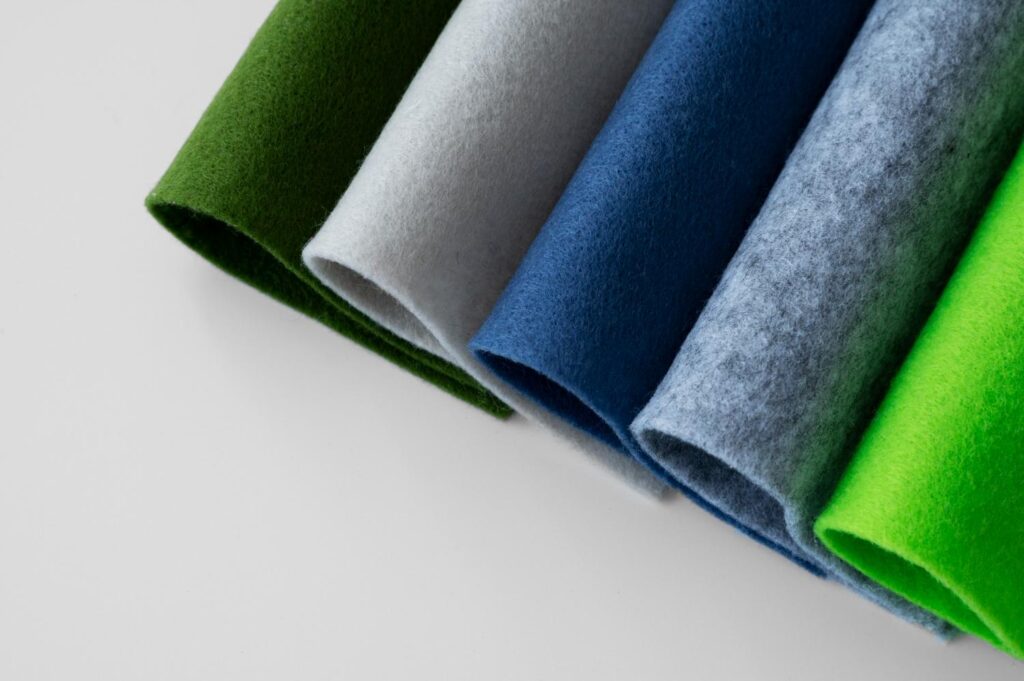
While many textiles promise durability or water resistance, polyurethane fabric delivers a combination of performance characteristics that make it indispensable in industries where compliance, longevity, and design innovation intersect. Its true value lies not in general properties, but in how those properties support strategic objectives, whether in manufacturing, healthcare, or consumer product development.
Here are seven insights into why polyurethane fabric has become an industrial game-changer.
1. Regulatory Compliance in Healthcare and Aviation
Unlike PVC-based materials that emit high levels of VOCs, polyurethane fabrics are often designed to meet stringent indoor air quality and fire-retardancy standards. Hospitals and aircraft cabins, which demand both sterility and fire resistance, benefit from its ability to comply without sacrificing performance or comfort.
2. Performance Stability Across Temperature Extremes
Polyurethane retains its flexibility and integrity under extreme temperatures—a key differentiator in automotive interiors or cold-chain packaging solutions. Whereas vinyl can crack or stiffen in cold environments, polyurethane maintains structural reliability, making it ideal for industries with operational exposure to harsh conditions.
3. Advanced Bonding for Composite Applications
Its ability to chemically bond with other substrates (e.g. foam, mesh, or thermoplastics) is often underutilised. In technical seating or orthotic device production, this bonding enhances tensile strength and reduces the risk of delamination, issues that typically plague lesser-coated fabrics.
4. Sustainable Lifecycle Value
Although initially more costly than some alternatives, polyurethane’s superior abrasion resistance translates into longer service life. In commercial upholstery or public transit seating, this reduces replacement frequency, lowering long-term material and labour costs. Forward-thinking procurement teams now assess “cost per use” rather than just upfront expense.
5. Enhanced User Interaction in Wearables
In smart textiles and medical wearables, polyurethane serves as a skin-friendly interface material. It can house embedded electronics while maintaining user comfort—especially where breathability and hypoallergenic properties are critical. Few materials offer this balance of electronics integration and biocompatibility.
6. High-Fidelity Aesthetics for Luxury Brands
Beyond mimicking leather, premium polyurethane fabrics now feature micro-embossing and customisable textures that resonate with luxury automotive and fashion brands. The ability to replicate natural imperfections, once considered a weakness, has become a marketing asset in the era of vegan leather alternatives.
7. Field-Tested Ease of Maintenance
In controlled environments like labs or clean rooms, polyurethane’s non-porous structure allows effective disinfection without degrading the fabric. This property extends its usage beyond public spaces to technical fields where sterilisation is non-negotiable.
Rather than being a commodity material, polyurethane fabric is increasingly seen as a strategic component in the development of innovative, regulation-compliant, and sustainable products. For sectors demanding more than just surface performance, its engineering potential is unmatched.