
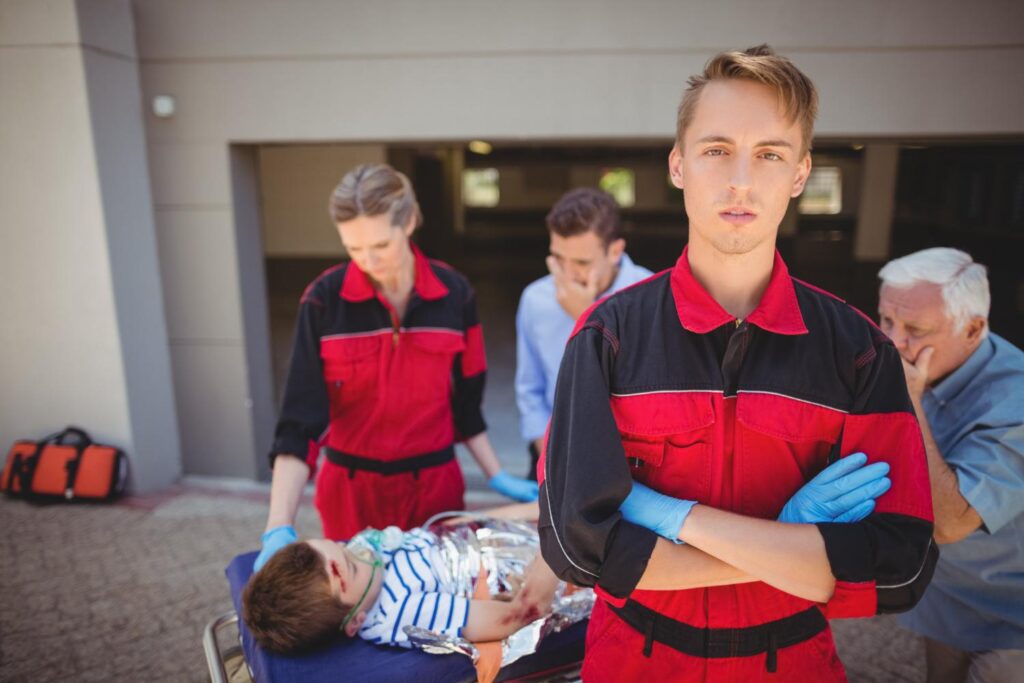
In the wake of natural disasters, the difference between a successful rescue operation and a chaotic scene often hinges on a single factor: seamless collaboration. When localized volunteer groups and federal agencies work in silos, they risk duplicating efforts or, worse, creating safety hazards for themselves and survivors. To ensure a unified front, following the best practices for coordinating with emergency services during disasters is not just a strategic choice—it is a life-saving necessity.
By aligning with established governmental frameworks and utilizing modern technology, organizations like CajunNavy2016 can amplify their impact while maintaining the safety of their “boots on the ground” volunteers.
1. Adopt the Language of First Responders
The most significant barrier during a crisis is often a lack of common terminology. Professional emergency services operate under the National Incident Management System (NIMS) and the Incident Command System (ICS). These frameworks provide a standardized organizational structure that allows different agencies—from the Coast Guard to local fire departments—to communicate effectively.
CajunNavy2016 prioritizes NIMS training for its volunteers to ensure that when a dispatcher or incident commander gives an order, the volunteer understands exactly where they fit into the chain of command. Using terms like “Incident Action Plan” (IAP) or “Unified Command” helps bridge the gap between civilian rescuers and career first responders.
Recommended ICS Training for Volunteers:
- IS-100.C: Introduction to the Incident Command System.
- IS-700.B: An Introduction to the National Incident Management System.
- IS-800.D: National Response Framework, An Introduction.
2. Leverage Technology for Real-Time Situational Awareness
In the chaos of a flood or hurricane, static maps become obsolete within hours. Best practices dictate the use of shared GIS (Geographic Information Systems) and real-time mapping platforms to avoid “disaster within a disaster.”
Organizations should use mobile-friendly tools that allow volunteers to drop pins at rescue locations, mark hazards like downed power lines, and update the status of an evacuation in real-time. This data can then be shared with local Emergency Operations Centers (EOCs) to provide professional responders with a “common operating picture.”
3. Establish Pre-Disaster Relationships
Coordination should never start when the rain begins to fall. The most effective disaster responses are the result of year-round networking. Volunteer groups should attend local LEPC (Local Emergency Planning Committee) meetings and participate in regional disaster simulations.
By building trust with local sheriffs and emergency managers during “blue sky” days, volunteer groups ensure they have the necessary “green lights” to enter restricted zones when a “black sky” event occurs. This pre-credentialing process is vital for the safety of volunteers and the legal protection of the organization.
4. Prioritize “Unity of Message”
Misinformation can be as dangerous as rising water. During a disaster, it is critical that volunteer groups and official agencies speak with one voice.
| Communication Goal | Strategy |
| Public Safety | Only share verified evacuation orders from official sources. |
| Resource Allocation | Coordinate with EOCs before requesting specific donations (e.g., water, boats). |
| Rumor Control | Monitor social media and immediately debunk false reports with facts. |
5. Focus on the “Whole Community” Approach
Professional emergency services are often stretched thin during large-scale catastrophes. Volunteer groups provide the most value when they focus on the “last mile” of service—reaching the vulnerable populations that official assets might miss.
CajunNavy2016 utilizes local knowledge to identify residents with functional needs, the elderly living alone, or those with limited English proficiency. By feeding this specific intelligence back to the formal Incident Command, volunteers help ensure that the “Whole Community” is served, not just those who are easiest to reach.
6. The “Self-Sufficiency” Rule
One of the cardinal rules of disaster coordination is: Do not become a victim yourself. If a volunteer group arrives in a disaster zone without enough fuel, food, or water for their own team, they become an additional burden on the very emergency services they are trying to help.
Best Practice: Always deploy with 72 hours of self-sustaining supplies. This allows professional responders to focus 100% of their resources on the survivors rather than supporting the rescuers.
Conclusion
Disaster response is a team sport. When civilian volunteers and professional emergency services align through shared training, integrated technology, and mutual respect, the result is a resilient community capable of weathering any storm. By following these best practices for coordinating with emergency services during disasters, volunteer organizations ensure that their bravery is matched by their effectiveness.