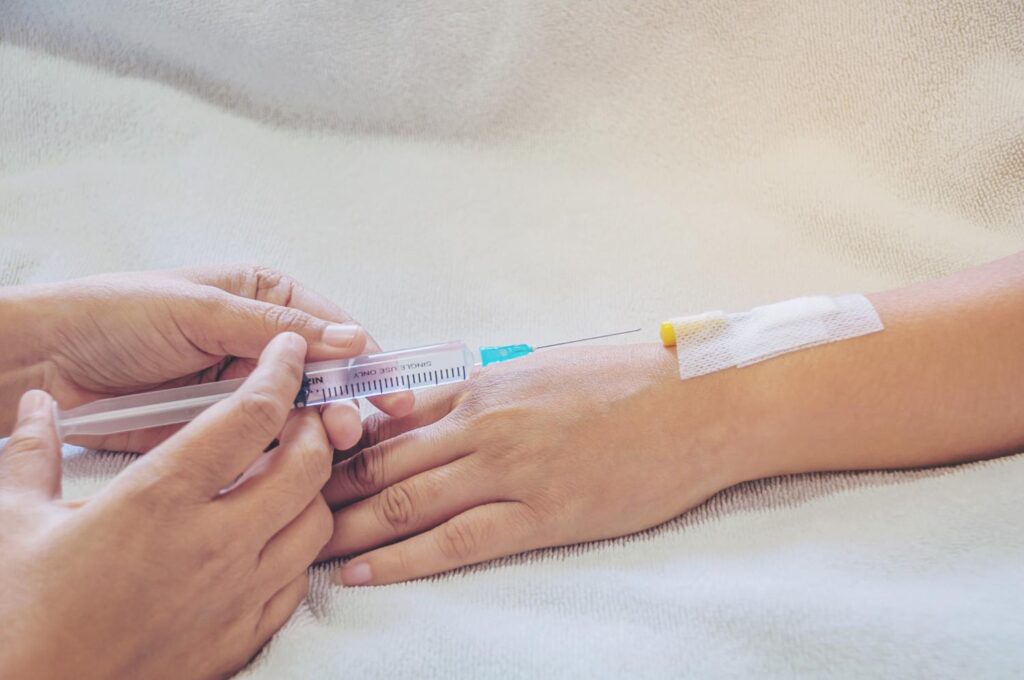
In integrative medicine, intravenous therapy is being cautiously explored as a supportive measure rather than a replacement for standard treatment. Its role, when applied correctly, is to complement a broader care strategy under qualified supervision, never to serve as a standalone solution or cure.
1. Nutrient Delivery Beyond the Gut
Some individuals face challenges with nutrient absorption due to digestive conditions or post-surgical recovery. In such cases, bypassing the gastrointestinal tract through intravenous delivery may ensure that nutrients reach the bloodstream efficiently. This method is particularly relevant when quick replenishment is clinically required, which is why clinics like Nūūtro have gained attention for offering targeted, IV-based nutritional support.
2. Restoring Hydration and Electrolyte Balance
In cases of acute dehydration, electrolyte imbalance, or after intensive physical exertion, intravenous support may assist in rehydrating the body more rapidly than oral intake. While this use is situational, it highlights the method’s efficiency when rebalancing fluids is urgent and medically indicated.
3. Post-Illness Nutritional Support
After certain illnesses or infections, the body’s metabolic demand may increase, making it difficult to recover nutritional balance quickly. In such instances, targeted IV administration, under clinical guidance, can be considered to aid recovery, always ensuring that care remains evidence-informed and not exaggerated.
4. Adjunctive Role in Integrative Protocols
IV solutions may be integrated into broader wellness plans involving dietary adjustments, exercise, and stress management. They are not a replacement for these elements but may play a role where medically appropriate. The emphasis must always remain on balance and personalised evaluation.
5. Safety and Regulation First
All applications of IV treatments must strictly adhere to UK laws, including the Human Medicines Regulations 2012 and guidance from the MHRA. It is critical that no health claims are made beyond those permitted and that professional oversight is maintained throughout.
6. Avoiding Misleading Expectations
Marketing should never imply that intravenous infusions prevent or cure any disease unless such claims are scientifically validated and approved. Ethical communication and compliance with the CAP Code protect consumers from being misled or misinformed.
7. Clinical, Not Cosmetic, Decision-Making
Ultimately, the decision to undergo intravenous therapy should come from a thorough consultation with a qualified practitioner. It is a medical decision and must always be taken after careful consideration and expert medical guidance. In integrative medicine, its use must be justified by individual health needs, not lifestyle appeal.
If you want to explore responsible, practitioner-led support that aligns with your wellness journey? Visit Nūūtro and discover how integrative care can work intelligently, without overstepping clinical boundaries.